


Optimizing the design of motor bearings is crucial for enhancing the performance, reliability, and lifespan of motors. As a motor bearings supplier, I've seen firsthand how a well - designed bearing can make a significant difference in motor operation. In this blog, I'll share some key strategies and considerations for optimizing motor bearing design.
Understanding the Basics of Motor Bearings
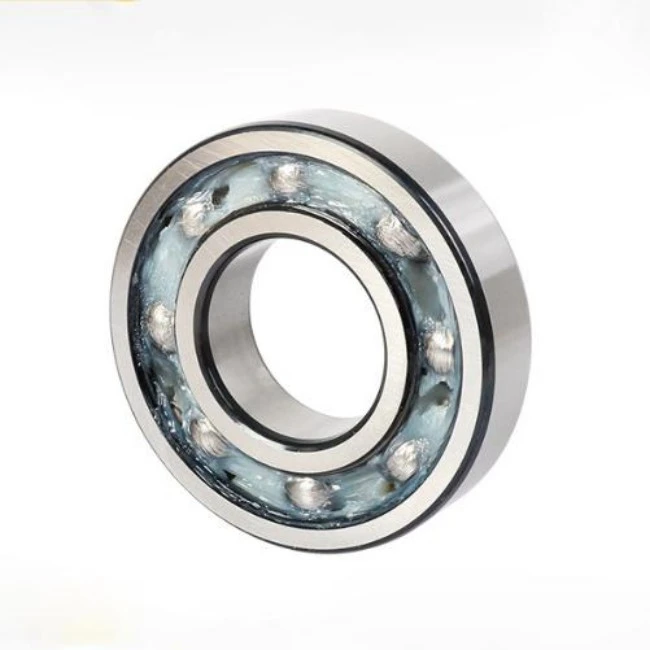
Before diving into optimization, it's important to understand what motor bearings are and what they do. Motor bearings are mechanical components that support the rotating shafts in motors. They reduce friction between the shaft and the motor housing, allowing the shaft to spin smoothly. There are different types of motor bearings, such as ball bearings, roller bearings, and sleeve bearings, each with its own characteristics and applications.
Analyzing the Operating Conditions
The first step in optimizing motor bearing design is to analyze the operating conditions of the motor. This includes factors like speed, load, temperature, and lubrication. For example, if a motor operates at high speeds, a bearing with low friction and high - speed capabilities is needed. On the other hand, if the motor is subjected to heavy loads, a bearing with high load - carrying capacity is essential.
Temperature is also a critical factor. High temperatures can cause the bearing material to expand, which may lead to increased friction and premature wear. In such cases, bearings made of heat - resistant materials or with special heat - dissipation features should be considered.
Lubrication is vital for reducing friction and preventing wear. The type of lubricant used depends on the operating conditions. For high - speed applications, a low - viscosity lubricant may be more suitable, while high - load applications may require a high - viscosity lubricant.
Selecting the Right Bearing Type
Based on the operating conditions, the right bearing type needs to be selected. Ball bearings are a popular choice for many motor applications because they can handle both radial and axial loads and offer low friction. For example, the Car Wiper Motor Special Bearing S607ZZ is designed specifically for car wiper motors, which operate at relatively high speeds and require reliable performance.
Roller bearings, on the other hand, are better suited for applications with heavy radial loads. They have a larger contact area with the shaft, which allows them to distribute the load more evenly. The Special Bearing 6905 - 2RS For Automotive Steering Systems is an example of a bearing that can handle the high loads and precise movements required in automotive steering systems.
Sleeve bearings are often used in applications where noise and vibration need to be minimized. They are made of a soft material that provides a smooth surface for the shaft to rotate on.
Designing for Precision
Precision is key in motor bearing design. The bearing's dimensions, such as the inner and outer diameters, width, and tolerance, need to be carefully controlled. Even a small deviation in these dimensions can lead to increased friction, noise, and premature failure.
The surface finish of the bearing is also important. A smooth surface reduces friction and wear. Advanced manufacturing techniques, such as grinding and polishing, are used to achieve the required surface finish.
Incorporating Advanced Materials
Using advanced materials can significantly improve the performance of motor bearings. For example, ceramic bearings are known for their high hardness, low density, and excellent heat resistance. They can operate at higher speeds and temperatures than traditional steel bearings.
Some bearings are also coated with special materials to enhance their performance. For instance, a coating can reduce friction, improve corrosion resistance, and increase the bearing's lifespan.
Considering the Bearing's Sealing and Shielding
Sealing and shielding are important aspects of motor bearing design. Seals prevent contaminants, such as dust and moisture, from entering the bearing, which can cause wear and damage. Shields, on the other hand, provide some protection while allowing for better ventilation.
The Automotive Tensioner Bearing 6206 2RS has a double - rubber seal (2RS) that effectively protects the bearing from external contaminants, making it suitable for automotive applications where the environment can be harsh.
Testing and Validation
Once the bearing design is complete, it's essential to test and validate it. This involves conducting various tests, such as performance tests, durability tests, and noise tests. These tests help to identify any potential issues with the design and ensure that the bearing meets the required specifications.

Cost - Benefit Analysis
Optimizing motor bearing design also involves a cost - benefit analysis. While advanced materials and designs can improve performance, they may also increase the cost of the bearing. It's important to find a balance between performance and cost to meet the customer's requirements.
Working with a Professional Supplier
As a motor bearings supplier, I understand the importance of working closely with customers to optimize bearing design. We have the expertise and resources to analyze the operating conditions, select the right bearing type, and design a bearing that meets the specific needs of the motor.
If you're looking to optimize the design of your motor bearings, I encourage you to get in touch with us. We can provide you with expert advice, high - quality bearings, and customized solutions. Whether you need a bearing for a small electric motor or a large industrial motor, we have the knowledge and experience to help you make the right choice.
References
- Harris, T. A., & Kotzalas, M. N. (2007). Rolling Bearing Analysis. Wiley.
- Gupta, P. K. (2002). Design of Machine Elements. Tata McGraw - Hill.


