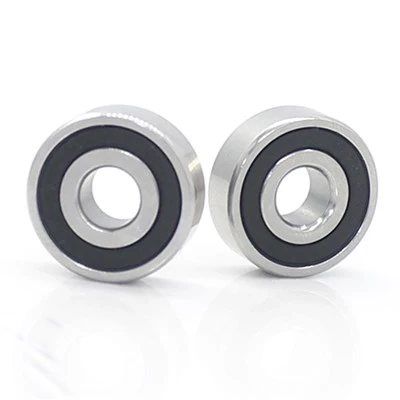
How to Measure a Screw Pulley
As a supplier of screw pulleys, I understand the importance of accurate measurement in ensuring the proper functioning and compatibility of these components. Screw pulleys are widely used in various industries, from automotive to manufacturing, and getting the measurements right is crucial for both performance and safety. In this blog post, I will guide you through the process of measuring a screw pulley, covering the key dimensions and techniques to ensure you get the most accurate results.
Understanding the Basics of Screw Pulleys
Before we dive into the measurement process, it's essential to have a basic understanding of what a screw pulley is and how it works. A screw pulley is a type of pulley that has a threaded shaft, allowing it to be easily attached to other components. This design provides a secure and adjustable connection, making it suitable for a wide range of applications.
Screw pulleys come in various sizes and configurations, depending on the specific requirements of the application. Some common types include External Thread Sliding Pulley 6000RS, S698ZZ Rubber Coated Bearing with M810Screw, and S696ZZ Rubber Coated Bearing with M6 Screw. Each type has its own unique features and dimensions, which need to be accurately measured to ensure proper fit and performance.
Tools Required for Measuring a Screw Pulley
To measure a screw pulley accurately, you will need the following tools:
- Calipers: A pair of calipers is essential for measuring the diameter and length of the pulley. Digital calipers are preferred as they provide more accurate readings.
- Thread Gauge: A thread gauge is used to determine the pitch and size of the screw thread. This is important for ensuring compatibility with other components.
- Micrometer: A micrometer can be used to measure the thickness of the pulley and other small dimensions with high precision.
- Ruler: A ruler can be used to measure the overall length and width of the pulley.
Measuring the Key Dimensions of a Screw Pulley
The following are the key dimensions that need to be measured when measuring a screw pulley:
- Pulley Diameter: The diameter of the pulley is one of the most important dimensions. It is measured across the widest part of the pulley. Use the calipers to measure the diameter at several points to ensure accuracy.
- Shaft Diameter: The diameter of the shaft is also crucial. Measure the diameter of the threaded shaft using the calipers. Make sure to measure at the base of the threads for the most accurate reading.
- Thread Pitch: The thread pitch is the distance between adjacent threads. Use the thread gauge to determine the pitch of the screw thread. This information is important for selecting the appropriate nuts and bolts for the pulley.
- Pulley Width: The width of the pulley is measured from one side to the other. Use the ruler or calipers to measure this dimension.
- Bore Diameter: The bore diameter is the diameter of the hole in the center of the pulley. Use the calipers to measure this dimension accurately.
- Overall Length: The overall length of the pulley, including the shaft, is measured from one end to the other. Use the ruler to measure this dimension.
Step-by-Step Measurement Process
Here is a step-by-step process for measuring a screw pulley:
- Prepare the Pulley: Clean the pulley to remove any dirt or debris that may affect the measurement. Make sure the pulley is in a stable position.
- Measure the Pulley Diameter: Use the calipers to measure the diameter of the pulley at several points. Record the measurements and calculate the average diameter.
- Measure the Shaft Diameter: Measure the diameter of the threaded shaft using the calipers. Make sure to measure at the base of the threads.
- Determine the Thread Pitch: Use the thread gauge to determine the pitch of the screw thread. Match the threads on the gauge to the threads on the pulley to find the correct pitch.
- Measure the Pulley Width: Use the ruler or calipers to measure the width of the pulley. Record the measurement.
- Measure the Bore Diameter: Use the calipers to measure the diameter of the hole in the center of the pulley. Record the measurement.
- Measure the Overall Length: Use the ruler to measure the overall length of the pulley, including the shaft. Record the measurement.
Tips for Accurate Measurement
- Take Multiple Measurements: To ensure accuracy, take multiple measurements of each dimension and calculate the average.
- Use the Right Tools: Make sure you are using the appropriate tools for each measurement. Using the wrong tool can lead to inaccurate results.
- Measure at the Right Points: When measuring the diameter of the pulley or shaft, make sure to measure at the correct points. For example, measure the diameter of the shaft at the base of the threads.
- Be Careful with the Threads: When using the thread gauge, be careful not to damage the threads on the pulley. Make sure the gauge fits properly before taking a measurement.
Importance of Accurate Measurement
Accurate measurement of a screw pulley is essential for several reasons:
- Proper Fit: Ensuring the correct dimensions of the pulley is crucial for proper fit with other components. A poorly fitting pulley can lead to problems such as misalignment, increased wear, and reduced performance.
- Safety: In some applications, the safety of the system depends on the accurate measurement of the pulley. For example, in a lifting system, an incorrectly sized pulley can lead to overloading and potential failure.
- Compatibility: Accurate measurement ensures that the pulley is compatible with other components in the system. This is important for ensuring smooth operation and avoiding costly downtime.
Conclusion
Measuring a screw pulley accurately is a crucial step in ensuring its proper functioning and compatibility. By following the steps outlined in this blog post and using the right tools, you can obtain accurate measurements and select the appropriate pulley for your application. If you have any questions or need further assistance with measuring or selecting a screw pulley, please feel free to contact us for a detailed discussion and to explore potential procurement opportunities. We are here to help you find the best solution for your needs.


References
- Machinery's Handbook, 31st Edition, Industrial Press Inc.
- Engineering Metrology, R.K. Jain