


Hey there! As a PEEK pulley supplier, I know how important it is to keep your PEEK pulleys in top - notch condition. PEEK, or polyetheretherketone, is an awesome engineering plastic known for its high strength, chemical resistance, and low friction. But like any equipment, PEEK pulleys need regular cleaning to ensure they function properly and have a long lifespan.
Why Cleaning PEEK Pulleys is Crucial
First off, let's talk about why you should clean your PEEK pulleys. Over time, dust, debris, and even small particles of lubricant can build up on the surface of the pulley. This buildup can increase friction, which not only makes the pulley less efficient but can also cause premature wear and tear. In some cases, dirty pulleys can lead to misalignment, which can affect the overall performance of your machinery.
Tools You'll Need
Before you start cleaning, gather the right tools. You'll need a soft - bristle brush, like a toothbrush. Avoid using hard - bristle brushes as they can scratch the PEEK surface. You'll also need a mild cleaning solution. I usually recommend a mixture of warm water and a gentle dish soap. You can also use isopropyl alcohol for a more thorough clean, but make sure to test it on a small, inconspicuous area first to ensure it doesn't damage the PEEK. And don't forget some clean, lint - free cloths for drying.
Step - by - Step Cleaning Process
Step 1: Preparation
The first thing you need to do is turn off the machinery and disconnect the power source. This is super important for your safety. Once the machine is off, remove the PEEK pulley carefully. If you're not sure how to do this, refer to the machine's manual.
Step 2: Initial Inspection
Before you start cleaning, take a good look at the pulley. Check for any signs of damage, like cracks or chips. If you find any, it might be time to replace the pulley. Also, note where the dirt and debris are concentrated. This will help you focus your cleaning efforts.
Step 3: Dry Brushing
Use the soft - bristle brush to gently remove any loose dirt and debris from the pulley. Start from the outer edges and work your way towards the center. Be careful not to apply too much pressure, as you don't want to damage the PEEK.
Step 4: Cleaning with the Solution
Mix your mild cleaning solution in a container. Dip the brush into the solution and start scrubbing the pulley. Pay special attention to the grooves and the areas where the belt makes contact. You can also soak the pulley in the solution for a few minutes if it's really dirty. But don't leave it in for too long, as PEEK can absorb some liquids over time.
Step 5: Rinsing
Once you've scrubbed the pulley, rinse it thoroughly with clean water. Make sure all the soap or cleaning solution is removed. You can use a gentle stream of water from a faucet or a spray bottle.
Step 6: Drying
Pat the pulley dry with a clean, lint - free cloth. You can also let it air - dry for a while to make sure it's completely dry. Moisture can cause corrosion or damage to the PEEK over time, so it's important to get it as dry as possible.
Step 7: Final Inspection
After the pulley is dry, take another look at it. Make sure all the dirt and debris are gone, and there are no signs of damage from the cleaning process. If everything looks good, you're ready to reinstall the pulley.
Tips for Maintaining Clean PEEK Pulleys
- Regular Inspections: Make it a habit to inspect your PEEK pulleys regularly. This way, you can catch any dirt or damage early on.
- Proper Lubrication: Use the right lubricant for your PEEK pulleys. Too much lubricant can attract dirt, while too little can cause increased friction.
- Keep the Environment Clean: Try to keep the area around the machinery clean. This will reduce the amount of dust and debris that can get on the pulleys.
Different Types of PEEK Pulleys and Their Cleaning
We offer a variety of PEEK pulleys, each with its own unique features. For example, we have the S626RS Bearing Pulley. This pulley has a bearing that needs special attention during cleaning. Make sure to clean the bearing area gently to avoid damaging it.
The Sliding Door U Groove Rubber Pulley has a rubber coating. When cleaning this type of pulley, be careful not to use any harsh chemicals that can damage the rubber. Stick to the mild cleaning solution we mentioned earlier.

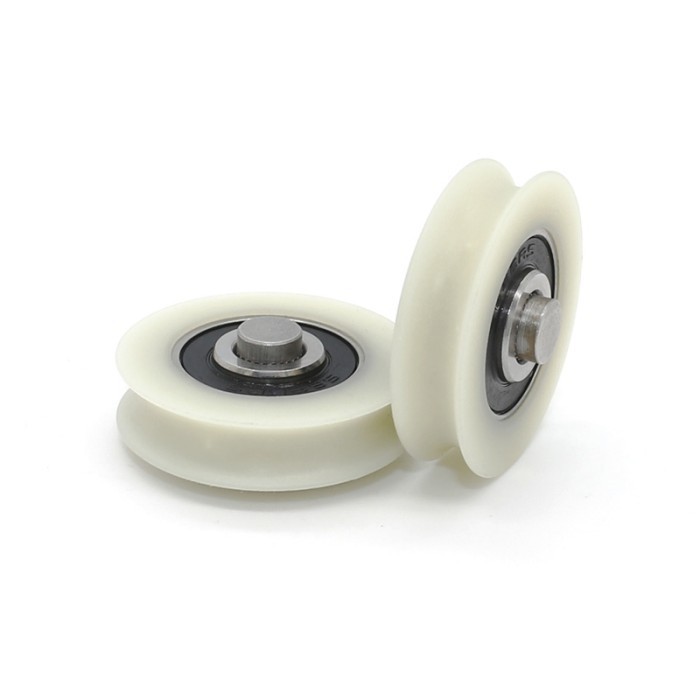
Our Non - standard U - shaped Rubber - coated Pulley Bearing S608ZZ is another unique product. The non - standard shape means you need to be extra careful when cleaning the grooves. Use a small brush to reach all the nooks and crannies.
Conclusion
Cleaning your PEEK pulleys is a simple but important task that can significantly extend their lifespan and improve the performance of your machinery. By following the steps and tips I've shared, you can keep your PEEK pulleys in great shape.
If you're in the market for high - quality PEEK pulleys or have any questions about cleaning or maintenance, feel free to reach out to us. We're here to help you make the most of your PEEK pulleys.
References
- "Engineering Plastics Handbook" by Carl A. Harper
- "Maintenance of Industrial Equipment" by John Smith


