


How often should cam roller bearings be lubricated? This is a question that many of our customers, ranging from small - scale manufacturers to large industrial enterprises, often ask. As a reliable cam roller bearings supplier, we understand the critical role that proper lubrication plays in the performance and longevity of these bearings. In this blog, we'll delve deep into the factors that influence lubrication frequency and provide some general guidelines to help you keep your cam roller bearings in optimal condition.
The Importance of Lubrication for Cam Roller Bearings
Cam roller bearings are designed to handle high - load applications while providing smooth rotation. They are commonly used in various industries such as automotive, printing, and packaging. Lubrication serves several essential functions in these bearings. Firstly, it reduces friction between the moving parts. When the cam roller rotates against the cam surface, friction can generate heat, which not only wastes energy but also causes wear and tear on the bearing components. A good lubricant forms a thin film between the contact surfaces, separating them and minimizing direct metal - to - metal contact.
Secondly, lubrication helps to prevent corrosion. Bearings are often exposed to harsh environments with moisture, chemicals, or dust. A proper lubricant acts as a barrier, protecting the bearing's metal surfaces from oxidation and chemical attack. Additionally, it can flush out contaminants that may enter the bearing, preventing them from causing damage.

Factors Affecting Lubrication Frequency
-
Operating Conditions
- Load: Higher loads increase the stress on the bearing surfaces, which in turn leads to more significant friction and wear. In applications where the cam roller bearings are subjected to heavy loads, more frequent lubrication is usually required. For example, in a large - scale press machine where the bearings support the weight of heavy stamping tools, the lubricant may break down faster due to the high pressure.
- Speed: The rotational speed of the cam roller also affects lubrication frequency. At high speeds, the lubricant may be thrown off the bearing surfaces more quickly, and the heat generated by the rapid movement can cause the lubricant to degrade faster. In a high - speed packaging machine, for instance, the cam roller bearings need to be lubricated more often compared to those in a slow - moving conveyor system.
- Temperature: Extreme temperatures can have a profound impact on the lubricant's performance. High temperatures can cause the lubricant to thin out and lose its viscosity, reducing its ability to form an effective lubricating film. On the other hand, low temperatures can make the lubricant too thick, preventing it from flowing properly. In a furnace application where the cam roller bearings are exposed to high - heat environments, frequent lubrication and the use of high - temperature - resistant lubricants are necessary.
-
Lubricant Type
- Grease: Grease is a popular choice for cam roller bearings due to its ability to stay in place and provide long - term lubrication. Different types of grease have different properties, such as base oil viscosity, thickener type, and additives. For example, lithium - based grease is commonly used for general - purpose applications, while synthetic greases are preferred for high - temperature or high - speed applications. The frequency of re - greasing depends on the type of grease used. Some high - quality synthetic greases can last longer and may require less frequent re - application compared to standard greases.
- Oil: Oil lubrication is suitable for high - speed and high - precision applications. It provides better heat dissipation and can be easily circulated through the bearing system. However, oil has a tendency to leak and may require a more complex lubrication system. The oil change interval depends on factors such as the oil's oxidation resistance and the presence of contaminants.
-
Bearing Design and Sealing
- Bearing Design: The internal design of the cam roller bearing can affect lubrication requirements. Some bearings are designed with special features, such as larger grease reservoirs or better - distributed lubrication channels, which can extend the lubrication intervals. For example, a bearing with a larger grease - filled cavity can hold more lubricant and provide longer - lasting lubrication.
- Sealing: Properly sealed bearings can prevent contaminants from entering and retain the lubricant inside. Bearings with good seals can reduce the frequency of lubrication as they protect the lubricant from being contaminated or lost. In contrast, open - type bearings are more exposed to the environment and may require more frequent lubrication.
General Lubrication Frequency Guidelines
While it's impossible to provide a one - size - fits - all answer to how often cam roller bearings should be lubricated, here are some general guidelines based on different operating conditions:
- Light - Load and Low - Speed Applications
- For applications with light loads (less than 10% of the bearing's rated load) and low speeds (less than 500 RPM), such as small - scale conveyor systems or household appliances, greased cam roller bearings may only need to be re - greased once every 6 - 12 months. Oil - lubricated bearings in these conditions may require an oil change every 3 - 6 months.
- Medium - Load and Medium - Speed Applications
- In medium - load (10% - 50% of the rated load) and medium - speed (500 - 1500 RPM) applications like some printing machines or small - to - medium - sized industrial conveyors, re - greasing should be done every 3 - 6 months. For oil - lubricated bearings, an oil change every 1 - 3 months is recommended.
- Heavy - Load and High - Speed Applications
- For heavy - load (more than 50% of the rated load) and high - speed (more than 1500 RPM) applications such as large - scale metal - forming machines or high - speed automotive engines, greased cam roller bearings may need to be re - greased every 1 - 3 months. Oil - lubricated bearings in these extreme conditions may require an oil change every 1 - 2 weeks, depending on the specific application and the quality of the oil used.
Special Considerations
- New Bearings: Newly installed cam roller bearings may require more frequent initial lubrication. During the break - in period, the bearing surfaces are still wearing in, and more lubrication helps to ensure a smooth transition and prevent excessive wear.
- Contaminated Environments: If the bearings are operating in a dusty, dirty, or chemically - contaminated environment, more frequent lubrication is necessary. Contaminants can quickly degrade the lubricant and cause damage to the bearing surfaces. In such cases, it may be beneficial to use a more robust lubricant and consider additional sealing measures.
Our Product Range and Support
As a cam roller bearings supplier, we offer a wide range of products to meet different customer needs. Our Plastic Cam Followers are lightweight, corrosion - resistant, and suitable for applications where low noise and high - precision are required. They also have different lubrication requirements compared to metal bearings, and our technical team can provide detailed guidance on their lubrication.
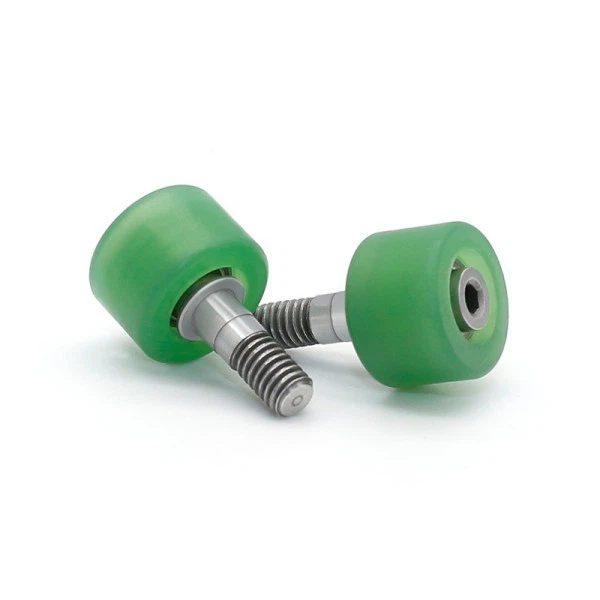
Our Polyurethane Cam Follower is another popular product. Polyurethane offers excellent shock - absorption and wear - resistance properties. We can help you determine the optimal lubrication frequency for these followers based on your specific application.
In addition to our high - quality products, we provide comprehensive technical support. Our team of experts can assist you in analyzing your operating conditions, selecting the right lubricant, and establishing a proper lubrication schedule.
Conclusion
Determining how often to lubricate cam roller bearings is a complex process that depends on multiple factors. By understanding the operating conditions, lubricant type, bearing design, and other relevant factors, you can develop an appropriate lubrication strategy to ensure the optimal performance and longevity of your bearings.
If you have any questions about cam roller bearings or need help with lubrication, don't hesitate to contact us. We are here to support you in making the best decisions for your applications. Whether you are looking for a new supply of cam roller bearings or need advice on maintenance, we are ready to assist you. Reach out to us, and let's start a productive conversation about your bearing needs.
References
- "Bearing Handbook" - A comprehensive guide on bearing technology and maintenance.
- Industry standards and guidelines from organizations such as the American Bearing Manufacturers Association (ABMA).
- Research papers on lubrication technology and its application in bearing systems.


