


Hey there! As a supplier of plastic bearing housings, I've seen my fair share of installation mishaps that can cause damage to these crucial components. In this blog, I'm gonna share some tips on how you can prevent damage to a plastic bearing housing during installation.
Understand the Material
First things first, it's super important to understand the material of the plastic bearing housing. Plastic has different properties compared to metal. It's lighter, more corrosion - resistant in many cases, but it can also be more brittle. Different types of plastics have different levels of strength and flexibility. For example, some high - performance plastics can withstand a fair amount of stress, while others are more delicate.
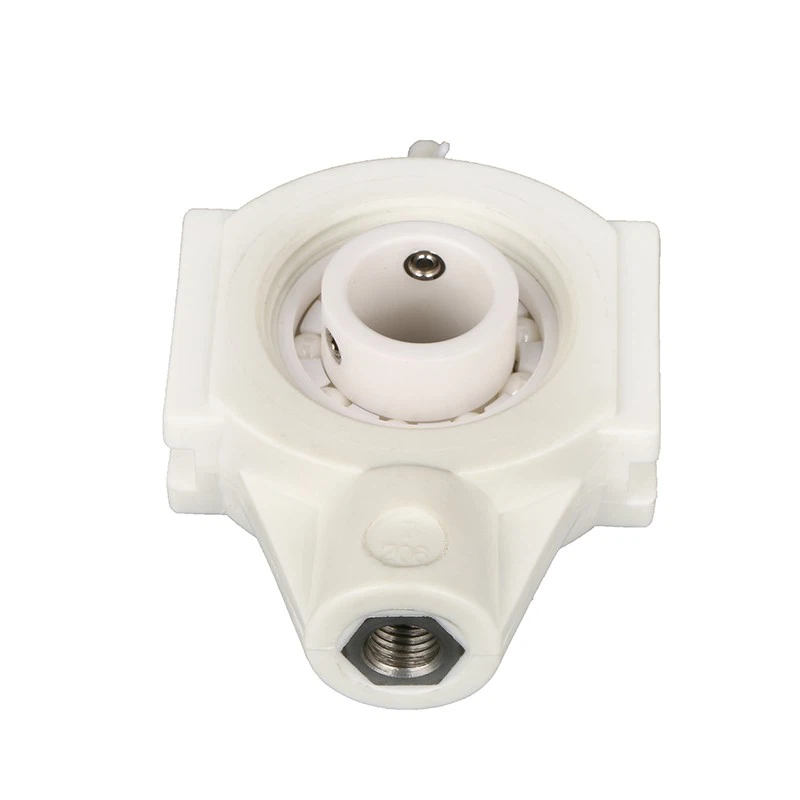
When you're choosing a plastic bearing housing, make sure it's the right type for your application. If you need a housing that can handle high loads, look for plastics with high impact resistance. On our website, we offer a variety of options like the Plastic Nylon Stainless Steel Bearing Seat. This type of housing combines the benefits of plastic, nylon, and stainless steel, providing good strength and durability.
Prepare the Installation Area
Before you start installing the plastic bearing housing, you need to prepare the installation area. Clean the surface where the housing will be mounted. Any dirt, debris, or burrs can cause uneven pressure on the housing during installation, which may lead to cracks or other damage.
Use a fine - grit sandpaper to smooth out any rough spots on the mounting surface. Make sure the surface is flat and level. You can use a spirit level to check this. If the surface is not level, the housing may be under stress right from the start, increasing the risk of damage.
Handle with Care
Plastic bearing housings are not as tough as metal ones, so you need to handle them with care. Avoid dropping or hitting the housing during transportation or before installation. Even a small impact can cause micro - cracks that may lead to failure later on.
When you're moving the housing, hold it by the thicker, more robust parts. Don't grip it too tightly, as excessive pressure can also cause damage. If you're using tools to handle the housing, make sure they are clean and have smooth edges to prevent scratching or gouging the plastic.
Use the Right Tools
Using the right tools is crucial for a successful and damage - free installation. For example, when tightening the bolts or screws to secure the housing, use a torque wrench. Over - tightening the fasteners can put too much stress on the plastic housing and cause it to crack. Under - tightening, on the other hand, can lead to the housing becoming loose during operation, which can also cause damage.
Refer to the manufacturer's specifications for the correct torque values. These values are usually based on the size and type of the housing, as well as the application. If you don't have a torque wrench, it's a good investment. It will help you ensure that the fasteners are tightened to the right level every time.
Follow the Installation Instructions
Every plastic bearing housing comes with installation instructions. These instructions are there for a reason, so make sure you read and follow them carefully. The instructions will tell you the correct sequence of installation steps, the type of fasteners to use, and any special considerations for your particular housing.
For example, some plastic bearing housings may require a specific type of lubricant to be applied during installation. This lubricant can help reduce friction and prevent damage to the housing and the bearing inside. Ignoring these instructions can lead to problems down the line.
Check for Alignment
Proper alignment is essential for preventing damage to the plastic bearing housing. Misaligned bearings can put uneven stress on the housing, causing it to wear out prematurely or crack. Before you fully tighten the fasteners, check the alignment of the bearing and the housing.
You can use alignment tools such as laser alignment devices or dial indicators. These tools will help you ensure that the bearing is centered and parallel to the housing. If you find any misalignment, make the necessary adjustments before tightening the fasteners completely.

Consider Environmental Factors
The environment in which the plastic bearing housing will be installed can also affect its performance and durability. For example, if the installation area is exposed to high temperatures, some plastics may expand or become softer, which can increase the risk of damage.
On the other hand, if the area is very cold, the plastic may become more brittle. In such cases, you may need to choose a plastic that is more resistant to temperature changes. Our IP54 with Composite Bearing Units are designed to withstand a wide range of environmental conditions, providing reliable performance in different settings.
Inspect After Installation
Once the installation is complete, take the time to inspect the plastic bearing housing. Look for any signs of damage, such as cracks, scratches, or deformation. Check the tightness of the fasteners again to make sure they haven't loosened during the installation process.
If you notice any issues, address them immediately. Minor damage can sometimes be repaired, but if the damage is severe, it may be necessary to replace the housing to avoid further problems.
Conclusion
Preventing damage to a plastic bearing housing during installation requires a combination of careful handling, using the right tools, following instructions, and considering environmental factors. By taking these steps, you can ensure that your plastic bearing housing performs well and lasts a long time.
If you're in the market for high - quality plastic bearing housings, we're here to help. We offer a wide range of products to meet your specific needs. Whether you need a housing for a small - scale project or a large industrial application, we've got you covered. Contact us to start a procurement discussion and find the perfect plastic bearing housing for your requirements.
References
- Manufacturer's installation guides for plastic bearing housings
- Industry standards for bearing installation and maintenance


